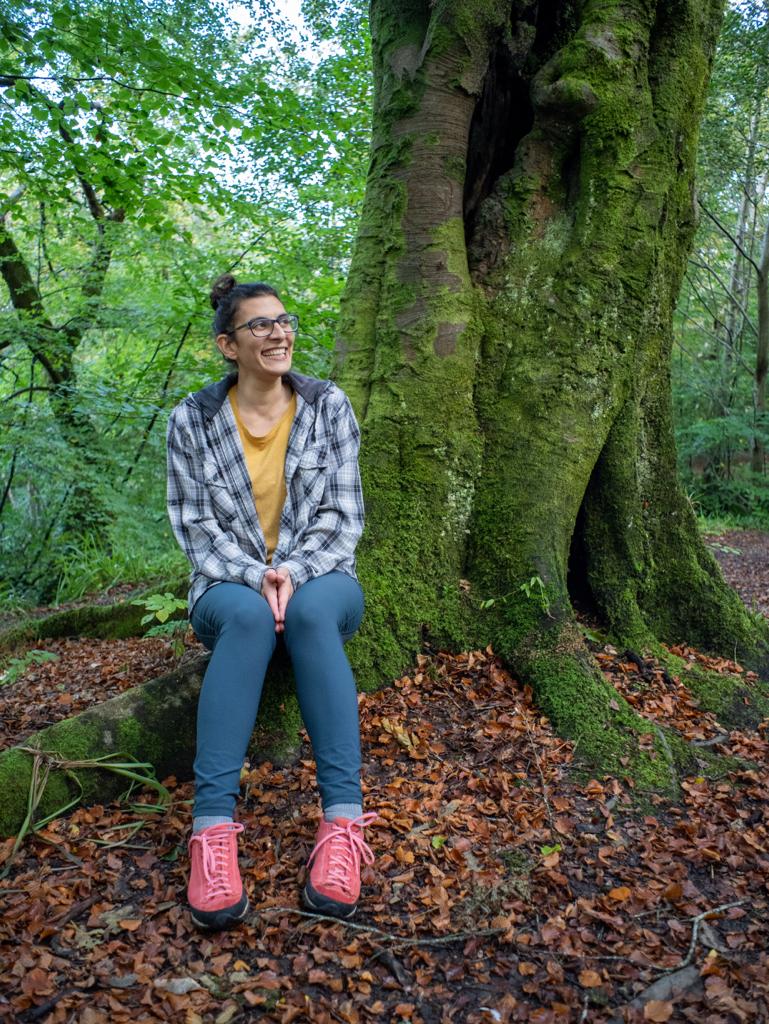
Image by rawpixel.com on Freepik

Clinical supervision

Supervision is a space to pause, reflect, and reconnect with what anchors you in your work. It’s a chance to explore the challenges, meaning, and purpose behind what you do. During our time together, we will explore the relationships you form with your clients, your practice, and yourself with curiosity and care.

What supervision offers

At the heart of supervision is the opportunity to understand and nurture what makes you uniquely you. Your working style, resources, and values are the foundation of your practice, and together, we will explore how to strengthen and expand them.

Supervision is also an opportunity to slow down and reflect on the connections you form with your clients and how your processes influence those relationships. Through dialogue, we will uncover insights that help you stay attuned to your clients while remaining grounded in your identity as both a person and a practitioner.

I welcome humour and laughter in sessions. Just because the work can sometimes feel difficult and heavy doesn’t mean we can’t invite what feels good and connect with our practice and supervisory relationship.

Supervision doesn’t have to be difficult: it can be gentle, encouraging, and deeply rooted in what feels good and true, where challenges can be embraced rather than shame-inducing. We need supervision in our work to be ethical practitioners and you need a space to fully bring all aspects of your practice, knowing support is available to you.

Whether you’re seeking clarity, perspective, or simply a safe space to explore, the supervision I offer is an invitation to deepen your practice and reconnect with what matters most in your work.

I also offer

Case-specific supervision

Individual practitioners seeking support on specific cases or wanting to develop new areas of competence (outdoor therapy, substance and alcohol use, working in prisons, voice hearing, and dissociative processes)

Organisations

Organisations wanting focused supervision for staff working with particular client groups or in specialised settings (can be delivered as group supervision)

Trainees

Trainee counsellors, psychotherapists, and counselling psychologists looking for support through the training and help to develop safe, ethical practice.

“You can only take your clients as far as you’ve been in your own therapy”

~ a mentor

My approach

My work is deeply rooted in the person-centred approach, which is my theoretical stance in counselling and psychotherapy.

This approach to supervision integrates seamlessly with other humanistic frameworks, providing a supportive and reflective space that enhances your practice. I offer both compassionate inquiry and direct feedback, depending on what will serve you best in the moment.

As a person-centred supervisor, I invite you to gently look at your processes and explore what might get in the way of staying fully attuned to your clients’ experiences. Together, we will reflect on:

  • The needs, fears, and challenges (often referred to as blocks to empathy) that may arise
  • The strengths and resources that sustain and enrich your work
  • How you’re developing as both a person and a practitioner

If you work within a modality or role that incorporates tools and techniques, we will consider how these can be integrated in ways that keep the client at the centre. Together, we will explore the essential question: “Who am I doing this for?”


Supervision framework

I draw on Page and Wosket’s cyclical supervision model as the framework for our work together. This model provides a clear structure for exploring how I can support your growth within your role and how you can translate the insights from supervision into your work, whether in therapy, community and support work, or advocacy.

Together, we’ll focus on what feels most significant to you and relevant to your clients’ needs at that moment.


Anti-oppressive practice

My approach is firmly grounded in an anti-oppressive perspective, creating space to examine issues of power, privilege, and oppression within our supervisory relationship and your work with clients.

I work from a solid anti-oppressive and anti-diagnostic perspective, whilst valuing diverse ways of understanding and describing clients’ distress and processes. I aim not to challenge or dismiss diagnostic models but to create an opportunity to reflect on and expand how we make sense of what clients bring to therapy.

In our work together, we will explore questions that shift the focus toward understanding your clients’ stories and context:

  • Instead of asking, “What’s wrong with them?” we might consider, “What has happened to them and around them?” and “What sense are they making of their experiences?”
  • We’ll also reflect on your own process: “What is coming up for you in this work?” and “How does your understanding shape the relationship you’re building with your client?”

This approach invites us to view distress through a lens that honours both the complexity of your clients’ experiences and the strengths they bring to their journey. It also offers a chance for you to grow in how you navigate these narratives, holding space for curiosity and empathy.


Informed by nature

My practice is inspired and informed by nature, where I am mindful of the ebbs and flows of everyday life and how we move, anchor, or resist these states.

Outdoor supervision

There’s something grounding about stepping outside, away from the usual four walls of an office or a screen. Outdoor supervision invites us into a different rhythm, one shaped by the natural world around us. Whether we’re walking through a park or finding a quiet spot to sit, the outdoors can create a sense of openness and calm, offering a space to reflect on your work in a way that feels fresh and intuitive.

For me, being outside mirrors the ebb and flow of the therapeutic and supervisory process: mutuality, non-linearity, and collaboration. It’s about finding balance, adapting, and returning to what feels steady. In outdoor supervision, we have the chance to reconnect not just with our work and our clients but with ourselves.

Possible topics addressed in supervision

About

I’m a clinical supervisor, somatic trauma therapist, and counsellor with over a decade of experience in specialist services and high-complexity settings. 

Qualifications:

  • Certificate in Clinical Supervision (Person-Centred), Persona Counselling
  • Postgraduate Diploma in Counselling and Psychotherapy, Strathclyde University
  • Membership body: I am a Practitioner Member of COSCA (Registrant No: 5468)
You can read more on the About page

Get started

Book a free 30-minute introductory call to discuss whether my supervision style fits you and your needs.