Image by rawpixel.com on Freepik

Supervision for trainees

At present, I don’t have availability for trainees. I will review this in September 2026.

Training to become a counsellor is a complex journey: you’re learning theory, developing skills, and discovering who you are as a practitioner, all while holding your first client relationships.

Supervision during training may feel like a requirement, but when it’s solid, it’s where you make sense of what’s happening in the room, explore what’s coming up for you, and develop your capacity to work safely and ethically with clients.

Who this is for

My supervision is grounded in the person-centred approach, which integrates seamlessly with other humanistic frameworks. I’m particularly suited to work with trainees who are:

Undertaking a diploma in person-centred or pluralistic therapy

Studying a person-centred module on a counselling psychology course

Training in approaches that value the therapeutic relationship and client autonomy

What to expect

A person-centred approach to supervision

In our sessions, I invite you to gently explore your processes and what might get in the way of staying fully attuned to your clients’ experiences. Together, we’ll reflect on:

  • The needs, fears, and challenges that arise in your work (often called blocks to empathy)
  • The strengths and resources that sustain and enrich your practice
  • How you’re developing as both a person and a practitioner

If your training incorporates tools and techniques, we’ll consider how these can be integrated in ways that keep the client at the centre. Together, we explore the essential question: “Who am I doing this for?”

Get started

When I have availability for trainees (next review: September 2026), I’ll update this page. If you’d like to organise a speculative introductory call, feel free to email me. 
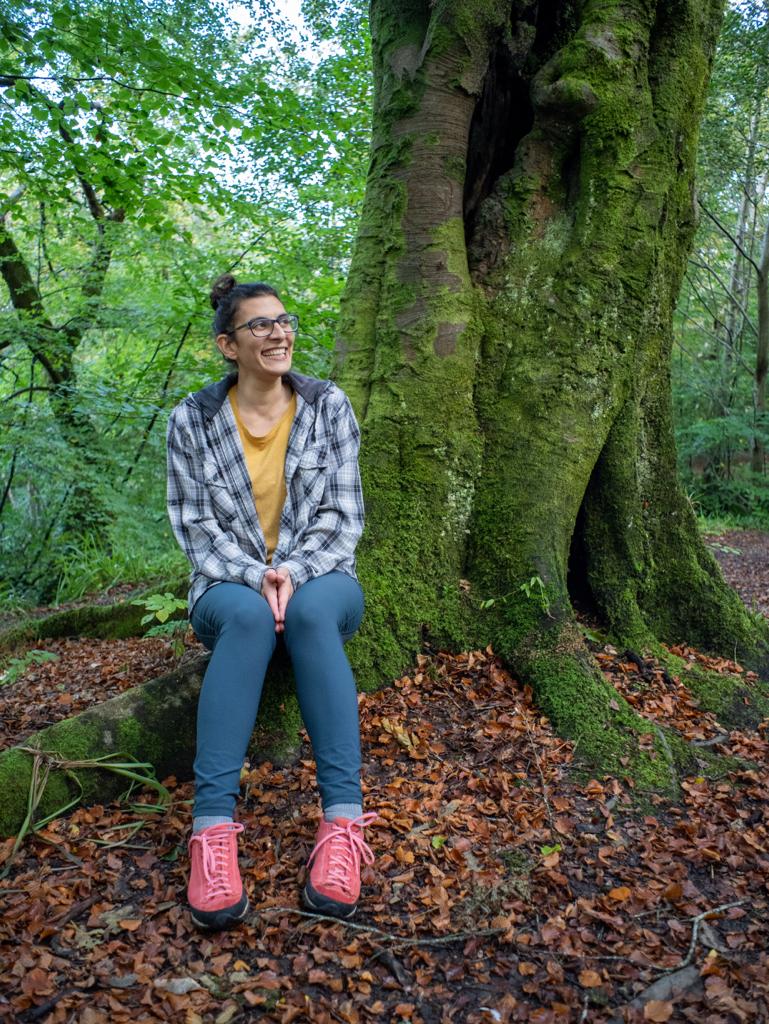
Supervision that supports your growth

Training can feel vulnerable: you’re learning, making mistakes, and figuring things out. My supervision creates a shame-free space where you can bring anything: the sessions that went well, the ones that didn’t, the times you felt lost or overwhelmed.

Any feedback I offer will be gentle and encouraging, fostering growth without ever feeling intrusive or dismissive. I believe in collaborative supervision where we explore your development together.

We’ll also attend to:

  • How your client relationships are affecting you
  • What’s emerging in your practice that needs attention
  • How to translate what we discuss in supervision into your work with clients
  • Building your confidence and finding your voice as a therapist
  • Bridging theory to practice

Practical details

Frequency: fortnightly one-hour sessions

This allows us to:

  • Build a strong supervisory relationship
  • Give me a clearer sense of who you are as a practitioner during your training
  • Ensure you’re working safely and ethically with your clients
  • Provide consistent support as you navigate your learning

Reviews

Each training provider has policies for reviewing students’ capacity to work ethically and safely. We’ll arrange sessions to reflect these requirements. When reviews aren’t part of your course requirements, we’ll organise a supervision session halfway through your client work to reflect on your development and discuss areas of growth.

My approach to supervision

I draw on the Page and Wosket cyclical supervision model, which provides a clear structure for exploring how I can support your growth and how you translate insights from supervision into your practice.

My supervision is:

  • Anti-oppressive: We create space to examine issues of power, privilege, and oppression in your work with clients and in our supervisory relationship
  • Informed by nature: I’m mindful of the ebbs and flows of everyday life and how we move, anchor, or resist these states
  • Without shame: You can bring the messy, uncertain, difficult moments without fear of judgment
  • With room for lightness: I welcome humour and laughter: training is hard enough without supervision feeling heavy too

A further note on my approach:

I’m particularly attuned to trainees in marginalised and oppressed bodies, including LGBTQ+ people, people of colour, disabled people, and others who may find that training courses reproduce mainstream narratives and biases. If you’re navigating a training environment that doesn’t always reflect your lived experience, or if you’re questioning the frameworks you’re being taught because they don’t account for oppression and power dynamics, my supervision offers a space to explore this critically and safely. You don’t need to leave parts of yourself at the door.

About

I’m a clinical supervisor, somatic trauma therapist, and person-centred counsellor. I trained in Person-Centred therapy at Strathclyde University (Glasgow) and own a Certificate in Clinical Supervision with a person-centred lens from Persona Counselling (Stirling). 

Qualifications:

  • Certificate in Clinical Supervision (Person-Centred), Persona Counselling
  • Postgraduate Diploma in Counselling and Psychotherapy, Strathclyde University (Person-Centred)
  • Membership body: I am a Practitioner Member of COSCA (Registrant No: 5468)
You can read more on the About page

Get started

When I have availability for trainees (next review: September 2026), I’ll update this page. If you’d like to organise a speculative introductory call, feel free to email me.